 These numbers translate into drained public trust, deterred foreign investment, and ordinary citizens forced to pay bribes for basic services. Nepal lags behind many of its neighbors and far below global averages. Despite the tireless work of watchdogs like Transparency International Nepal, progress remains painfully slow.
Nepalis Say: Corruption Is Everywhere
Public opinion mirrors the data. Transparency International’s Global Corruption Barometer shows that over 80 percent of citizens believe corruption is a serious problem, with many reporting bribe payments to access public services.
Protests against corruption have erupted repeatedly, shaking Kathmandu and other cities. Youth-led movements demand accountability, transparency, and an end to impunity. Yet protests alone cannot build institutions.
We Know the Problem. What We Lack Are Tools.
Nepal has anti-corruption laws and a watchdog, the Commission for the Investigation of Abuse of Authority (CIAA), but enforcement is weak, politicized, and selective. Cases drag on, high-profile offenders escape consequences, and loopholes shield elites.
What Nepal needs is a system that detects corruption through its symptoms, not just its acts. That system is called a lifestyle audit.
What Is a Lifestyle Audit?
A lifestyle audit doesn’t chase bribes; it follows the money, assets, and lifestyle.
It asks: “Does this official’s wealth match their legal income?”
If a public servant with a modest salary owns luxury homes, travels abroad frequently, drives expensive cars, or funds overseas education without clear sources of income, that gap becomes the basis for investigation, asset recovery, or prosecution.
Lifestyle audits overturn the advantage corrupt officials enjoy:
- No need to catch a bribe in action
- No reliance on wiretaps or insider testimony
- No complex tracing through shell companies
- No signed documents required
You only need to identify disproportionate wealth and demand an explanation.
Global Evidence That Lifestyle Audits Work
- Singapore: Continuous lifestyle monitoring by an independent agency keeps officials accountable. Singapore ranks among Asia’s least corrupt nations.
- Hong Kong: The ICAC employs lifestyle audits as a standard tool, contributing to decades of relatively low corruption.
- Georgia: Aggressive lifestyle audits in the early 2000s helped dismantle corruption in customs and policing.
These are not theories; they are proven strategies where political will exists.
Why Nepal’s Current System Fails
- Declarations Without Verification: Officials declare assets, but audits are rare.
- Family & Proxy Wealth Ignored: Assets hidden under relatives’ names or offshore companies escape scrutiny.
- Fragmented Data: Land, tax, banking, and procurement records remain siloed.
- Weak Enforcement: Even when discrepancies emerge, investigations stall and powerful figures avoid accountability.
What Lifestyle Audits Could Achieve
- Reveal unexplained wealth early
- Shift the burden of proof onto officials
- Enable asset recovery and fines
- Deter corruption before it starts
- Strengthen public trust in rule of law
Most importantly: no one is above scrutiny; not politicians, not bureaucrats, not their families.
How Nepal Should Implement Lifestyle Audits
- Independent Authority: Audit powers must be insulated from politics.
- Mandatory Declarations: Officials and families declare assets annually; random audits applied.
- Data Integration: Link land, vehicle, tax, and banking records digitally.
- Automatic Red Flags: Analytics detect sudden surges in wealth or suspicious transfers.
- Burden of Explanation: Officials must justify unexplained wealth or face penalties.
- Transparency: Senior officials’ declarations should be publicly accessible.
The Critical Role of Professional Accountants
Corruption is a financial crime. All financial crimes leave trails.
Professional accountants and forensic auditors can:
- Reconstruct income and expenditure over time
- Spot inconsistencies between declared income and spending
- Analyze bank statements, tax filings, and business accounts
- Detect shell companies and proxy ownership
- Trace assets hidden through relatives or layered transactions
Globally, lifestyle audits succeed when accountants are central. In Nepal, this expertise is missing; weakening cases and leading to acquittals. Integrating chartered accountants and forensic auditors would dramatically improve credibility and conviction rates.
Principles for Success
Lifestyle audits must be:
- Routine and risk-based, not triggered only by scandals
- Pattern-focused, not personality-driven, to avoid political bias
- Forward-looking, catching sudden spikes in wealth before damage spreads
- Fair but firm, with clear thresholds, judicial oversight, and penalties for malicious audits
- Transparent, ensuring public visibility of senior officials’ assets
Why This Matters Now
Nepal stands at a crossroads. Public frustration is high, youth trust in institutions is low, and inequality is widening. Citizens no longer ask whether corruption exists or not. They ask why it continues.
A Call to Action
Nepal cannot afford cosmetic reforms while leaders live in unchecked opulence. Lifestyle audits are not just a technical tool; they are a symbolic and practical shift toward justice and transparency.
They send a clear message:
If you benefit from corruption, your lifestyle will betray you; and you will be held accountable.
This is the ambition Nepal deserves.
About the author
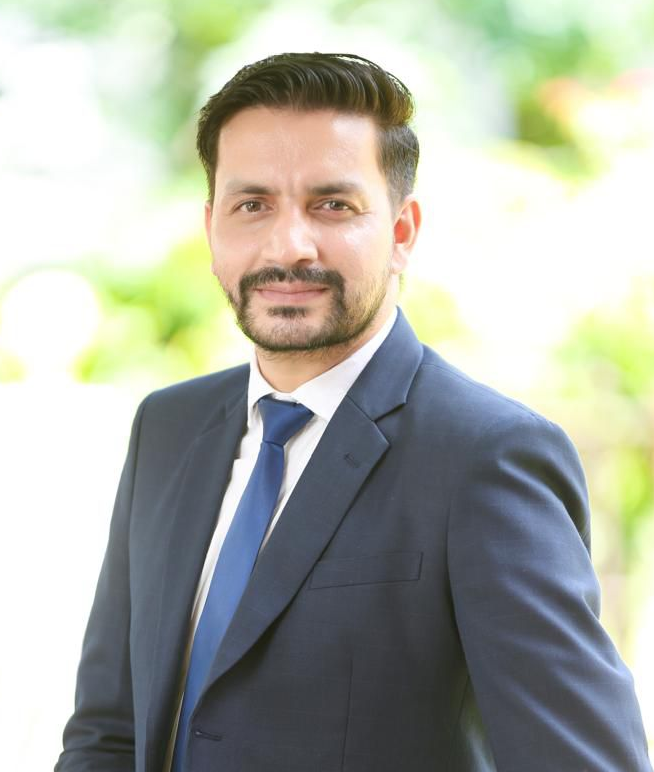
Bidur Luitel is a Fellow Chartered Accountant in practice, a Certified Forensic Expert, a Financial Analyst, and a Corporate Governance Expert. He can be reached at luitel.bidur@gmail.com.