The strategy developed by the Ministry of Energy, Water Resources and Irrigation has drawn up an ambitious plan to increase Nepal's total electricity installed capacity to 28,500 MW by 2035 AD.
The Energy Consumption Growth and Export Strategy, 2083 BS recently unveiled by the government has presented a clear plan for the next decade. The government has acknowledged the energy sector as the key driver of Nepal's economic development and prosperity. The strategy, which covers a period of 10 years from 2082/83 to 2092/93 BS, not only aims to establish Nepal as the energy hub of South Asia, but also pledges to modernize and self-reliant the country's traditional economy by increasing the consumption of clean energy domestically.
Nepal's modern energy journey that began in 1968 with the 500-kilowatt Pharping Hydropower Project has spanned more than a century. The Strategy has internalized the historical fact that the establishment of Nepal Electricity Authority in 2041 BS and the entry of private sector following the liberalization of 2049 BS have made qualitative leap in this sector. Currently, Nepal generate about 4,086 MW of electricity with 98 percent of the population having access to it. This is an encouraging achievement in itself, however, the government's new strategy plans to take the next decade to even higher levels.
The most important and well-known aspect of this strategy is to increase Nepal's total electricity installed capacity to 28,500 MW by 2035 AD. While this may sound ambitious, it seems feasible given Nepal's vast water resources and growing regional demand. Of the total electricity generated, 13,500 MW will be used for domestic consumption and the remaining 15,000 MW will be exported to neighboring countries including India and Bangladesh.
 Currently, the per capita consumption of electricity in Nepal is only around 450 units. The government have targeted to increase this to 1,500 units within 10 years. This is expected to greatly improve not only the standard of living of Nepalese but also the overall industrial productivity. Thus, the strategy plans to intervene in multidimensional sectors to increase internal consumption. The main priority of this strategy is to increase the use of electric stoves by replacing LP gas in the household sector. For this, subsidy on LP gas will be gradually reduced while families will be encouraged to use electric stoves. Moreover, electric kitchens will be made mandatory in government and public bodies.
Similarly, transport sector is another sector that heavily depends on petroleum products. The heavy dependency has caused huge outflow of foreign exchange from Nepal. Therefore, this strategy has given special emphasis to the electrification of the transport sector. Expanding the network of charging stations across the country, installing electric street lights on major highways and promoting electric vehicles will go a long way in reducing dependency on petroleum products. In addition, special programs will be conducted to increase the demand for electricity in the industrial sector. Domestic demand will be strengthened by providing electricity at subsidized rates in areas such as the establishment of chemical fertilizer plants, operation of data centers, and green hydrogen production, which is considered the energy of the future. Another important part of the strategy is the plan to create a separate 'Agriculture Feeder' for irrigation and make the pumps hundred percent electrified to revolutionize the agricultural sector.
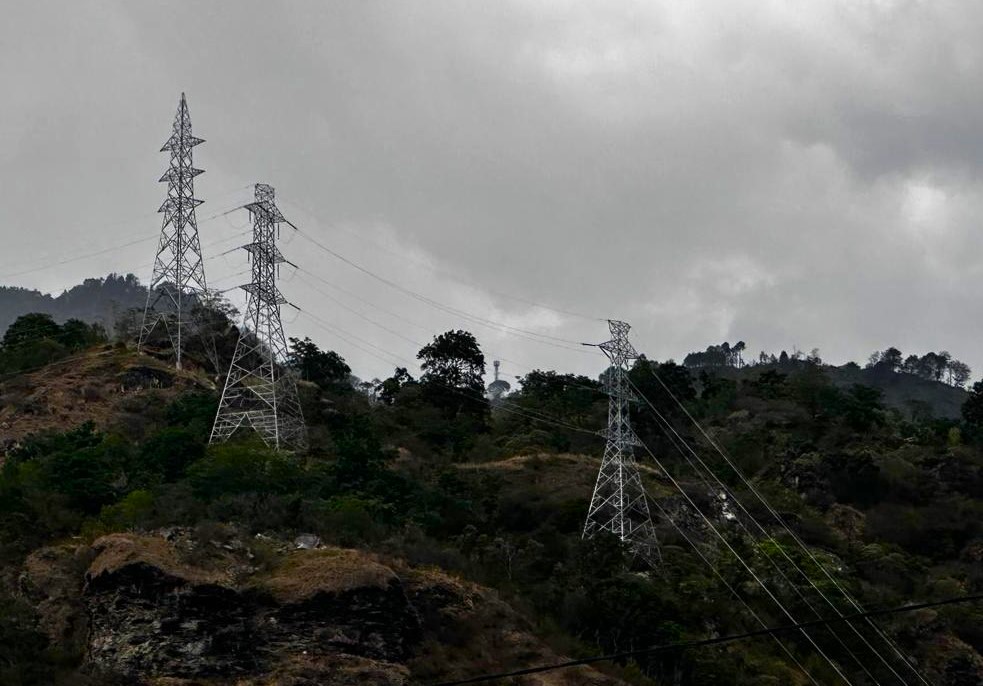 The strategy sees export of electricity as another strong pillar for economic prosperity. The long-term agreement with India to export 10,000 megawatts of electricity in the last 10 years and ongoing efforts to gain access to Bangladesh's market are sure to contribute to reducing Nepal's trade deficit. For this, the construction of 400 KV inter-country transmission lines with high capacity will be expedited. Dhalkebar-Muzaffarpur, Butwal-Gorakhpur, Inaruwa-Purnia, and Lamki-Bareilly transmission lines will act as bridges to connect Nepal's electricity to regional markets. Thus, the strategy prioritizes reservoir and semi-reservoir projects to address the imbalance production during winter and rainy season while exporting electricity. Timely completion of big projects like Budhigandaki, Upper Arun, Dudhkoshi, Uttarganga and Nalgad are essential conditions for the success of this strategy.
The strategy proposes some significant changes as it would be difficult to achieve such big goals without policy and legal reforms. In particular, breaking the government's monopoly on electricity trade and involving the private sector is a bold move. The Electricity Act and Regulations will be amended to allow the private sector to export electricity and engage in internal trade. It is believed that this will increase competition in the market and attract investment. The strategy also includes restructuring of Nepal Electricity Authority (NEA) to make it more robust and professional, simplifying the Power Purchase Agreement (PPA) process and creating an investor-friendly environment.
However, several challenges and risks also exist in the course of implementation of all these schemes. Nepal is one of the most vulnerable countries to climate change in the world. As a result, hydropower projects can be vulnerable to floods, landslides, and glacial lake eruptions (GLOF). To mitigate such risks, the strategy emphasizes 'Climate Resilient Design' and early warning systems. Similarly, mobilizing billions of rupees of investment required for large projects is another big challenge. To attract foreign investment, innovative financial instruments such as hedging funds and green bonds will be used to address risks to the dollar's exchange rate, the strategy said. Delays in the process of acquiring land in the social sector, distributing compensation and addressing the demands of the local community can affect projects. For this, 'Community Support Programs' will be implemented to simplify the process and make the local community feel a sense of ownership in the project.
The strategy is not just a government document but a national resolve to make Nepal economically independent. If the target of 28,500 MW is achieved within the stipulated time, the contribution of the energy sector to Nepal's GDP will increase significantly. This will not only replace petroleum imports worth billions of rupees annually but will also strengthen the country's foreign exchange reserves and balance of payments through earnings from electricity exports. If this strategy succeeds, by 2035, every kitchen in Nepal will be modernized, the roads will be pollution-free, industries will flourish, and Nepal will be placed on the world map as a truly prosperous nation. For this, political commitment, administrative activism and honest cooperation of the private sector will be the key to the success. Overall, this strategy aims to propel Nepal's energy sector to a new height of self-reliance and export. This will ensure a bright future for the next generation.